03 / Conservation · Workflow tools
Miradi Converter
Less time moving work between files. More time for conservation.
The decision
How does an existing plan become a conservation project?
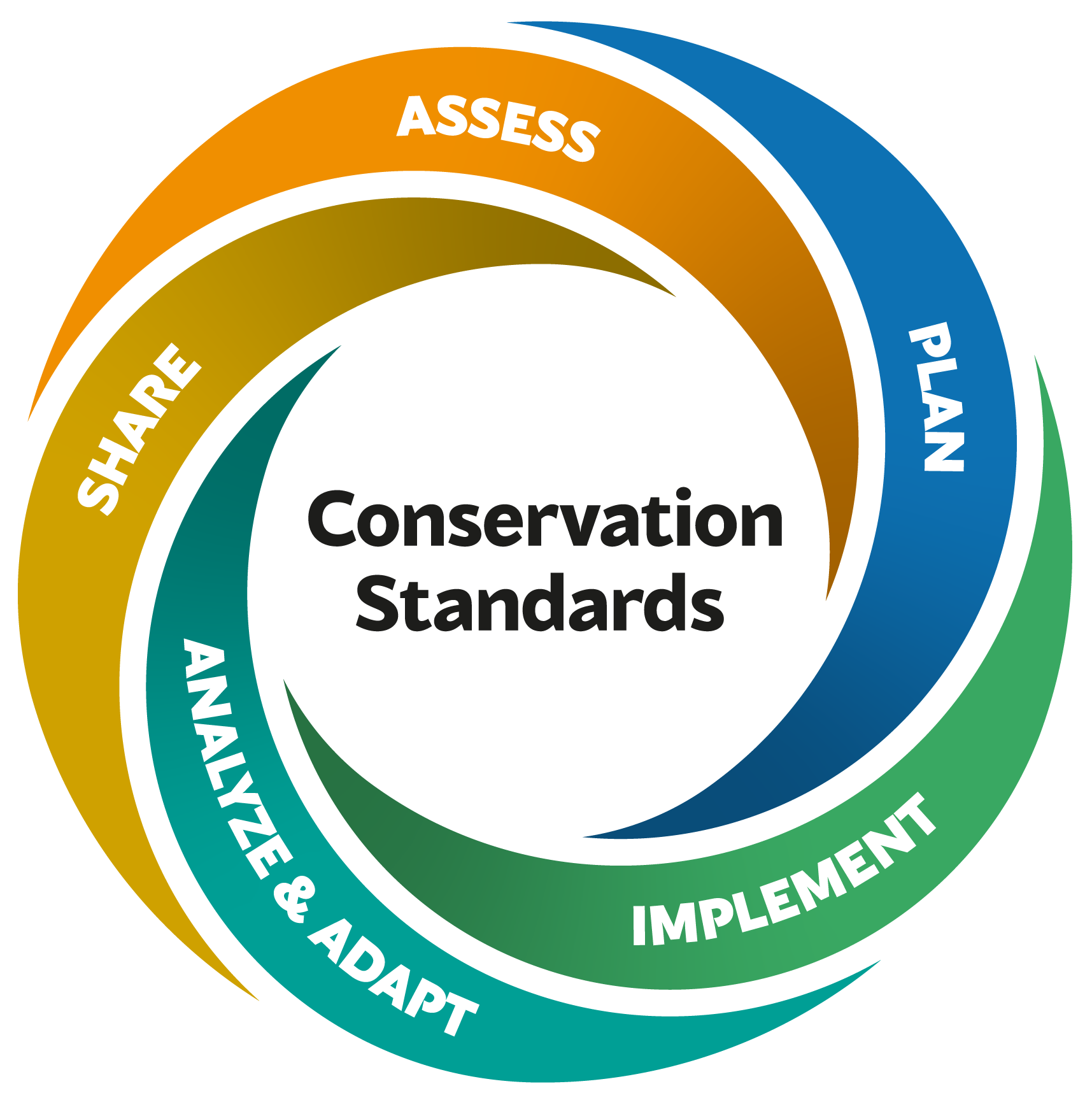
Miradi is open-source adaptive management software that conservation practitioners use to design, manage, monitor, and learn from projects. Moving existing work into a structured project can involve a lot of repeated data entry: translating a plan’s content and entering it in the right places.
The idea started with my own coursework. Working through the Arroyo Hondo Watershed assignment for Conservation Project Design and Evaluation made the repeated entry hard to ignore.

What I built
A converter that starts with the plan.
- 01 / Bring in existing informationStart with a management plan, or an assignment worksheet, and extract the relevant conservation information.
- 02 / Organize the structurePlace the extracted information in the project, then check the relationships between its parts.
- 03 / Check the resultReview the content, relationships, and output before it goes into Miradi.
- 04 / ExportProduce a project file that can be opened and refined in Miradi.


The design principle
Extraction suggests. The practitioner decides.
AI-assisted extraction can identify information in a management plan, but it does not establish that a placement is right. The workflow keeps a review step between what was extracted and what enters the project.
Current status / reviewed September 29, 2026
The converter works. Placement comes next.
- Working: Assignment 1 import.
- Working: AI-assisted extraction, tested live on management-plan content.
- Next: validate automatic placement against a disposable sample project, checking extraction quality, placement, and export behavior.
- Then: refine the management-plan workflow and write instructions classmates can follow.
- Open: MiradiShare check-in is still being worked out, and the checked-out project workflow is on hold.
See the conservation project behind it on the Arroyo Hondo Watershed page ↗.
Explore further